

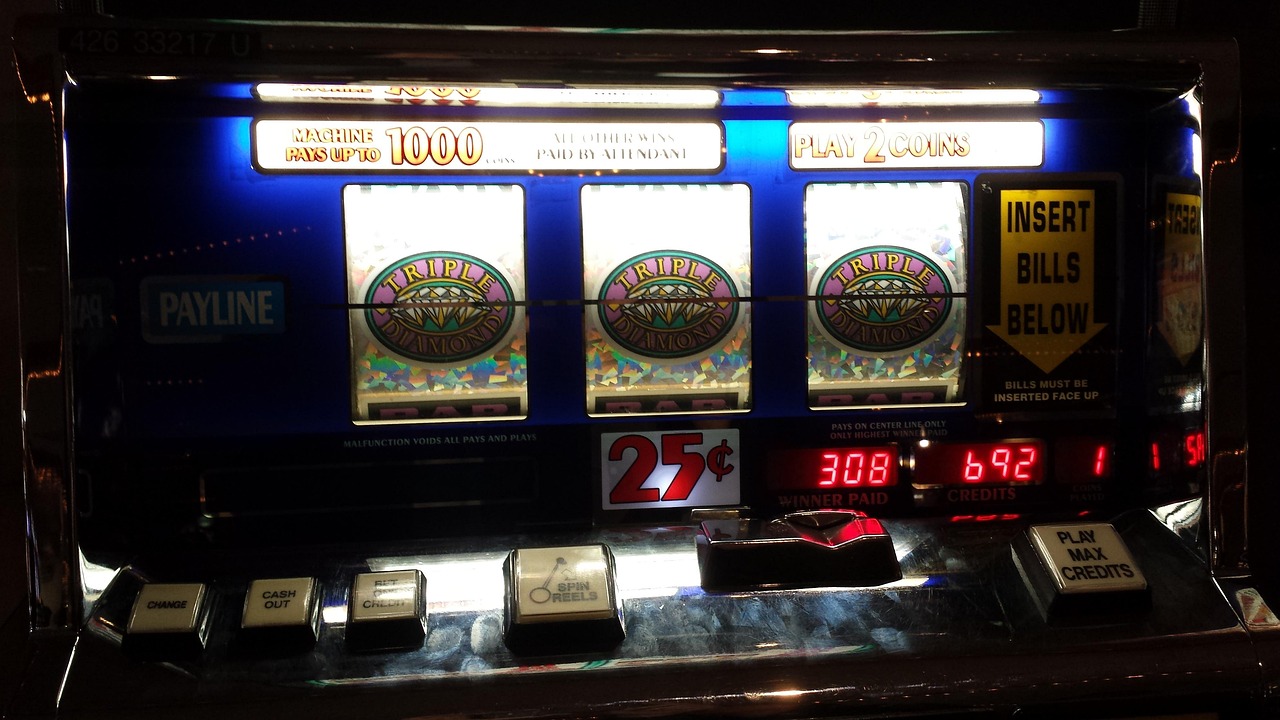
Ask ten slot players about their worst session, and you'll hear the same story: hours of spinning, a slowly draining balance, and one gut-wrenching near-miss on a bonus round that paid a fraction of what it teased. The machines felt cold. The algorithm felt rigged. But here's the uncomfortable truth most players never internalize: the math didn't change because you were unlucky. You just walked into the session without a plan.
I've spent years watching players at both land-based casinos and online platforms, and the divide between people who enjoy slots and people who resent them almost always comes down to understanding volatility, bankroll management, and expectation setting. Let's break down what actually separates a good session from a brutal one.
Volatility Is the Only Slot Stat That Really Matters to You
Every modern slot lists an RTP (return to player) percentage, usually somewhere between 94% and 97%. New players treat this like a promise. It isn't. RTP is a long-term theoretical average calculated over millions of spins. In a single 200-spin session, variance is doing all the talking.
What you should actually study is volatility:
- Low volatility: Frequent small wins. Think classic three-reel games or Book of Ra variants tuned for grinders. Your balance moves slowly in both directions.
- Medium volatility: The sweet spot for most recreational players. Bonuses hit every 150-250 spins on average, with payouts in the 20x to 80x range.
- High volatility: Gates of Olympus, Money Train, San Quentin. Bonuses can take 500+ spins to trigger, but when they do, 500x to 5,000x is on the table. These games eat bankrolls alive if you size your bets wrong.
A practical rule: your total session budget should cover at least 200 bets on a high-volatility slot. If you're playing at $1 per spin, you need $200 minimum. Playing $5 spins on San Quentin with a $100 bankroll isn't a strategy — it's a donation.
Bankroll Management Separates Winners From Casuals
Nobody walks into a poker room and shoves their rent money on the first hand. Yet the same person will load $500 into an online casino and start spinning $10 slots. Bankroll management isn't glamorous, but it's the single biggest lever you control.
Here's a framework that works for most recreational players: See slot dana for a side-by-side comparison.
- Set a monthly gambling budget you can genuinely afford to lose — no exceptions, no borrowing.
- Divide that budget into weekly or session chunks. Never play with more than 10-20% of your monthly number in one sitting.
- Choose a per-spin bet size that gives you 200-300 spins of runway on your session bankroll.
- Lock in a stop-loss (usually 50% of session bankroll) and a stop-win target. Walk away when either hits.
That last point is where most people fail. The casino's edge compounds the longer you play. Sessions of 30-90 minutes with hard stops are statistically kinder than five-hour marathons.
Poker and Sports Betting: Similar Discipline, Different Skills
If slots are a math-and-discipline game, poker is a math-and-psychology game, and sports betting is a math-and-information game. All three reward the same fundamental habit: knowing your edge.
In poker, a winning player tracks their win rate in big blinds per 100 hands (bb/100). A solid low-stakes cash player might sit at 5-10 bb/100. Anything negative over 50,000 hands means leaks — usually too much calling, not enough position awareness, or tilt after bad beats.
Sports bettors need to understand implied probability. A -150 favorite implies a 60% win rate; +200 implies 33.3%. If your model says a team wins 65% of the time but the market prices them at 55%, that's a value bet. If you think a team "feels" like a lock, that's not analysis — that's a hunch, and hunches bleed money.
The overlap matters because too many players bounce between verticals without transferring any discipline. Slots players who tilt after a dead bonus session carry that same mental weakness into poker. Bettors who chase losses on Monday Night Football bring the same behavior to progressive jackpots.
Reading Bonuses and Promotions Like a Professional
Welcome bonuses look amazing until you read the terms. A 100% match up to $500 with a 40x wagering requirement sounds generous, but do the math: to clear a $500 bonus, you need $20,000 in total bets. At 96% RTP, expected loss on that volume is roughly $800. The bonus is worth less than the grind costs.
Things to check every time:
- Wagering multiplier on bonus plus deposit, or bonus only? Huge difference.
- Game weighting: slots often count 100%, live dealer games 10-20%, and some table games are excluded entirely.
- Maximum bet rule: exceed it during wagering (often $5) and you forfeit everything.
- Time limits: seven days is standard; some operators offer 30, which is far more forgiving.
- Max cashout: some bonuses cap winnings at 10x the bonus — a stealth cap that guts the value.
Sometimes the smarter play is refusing the bonus and playing with raw cash, especially if you want freedom to bet larger stakes or withdraw quickly without wagering strings attached.
Mental Game: The Underrated Skill Nobody Talks About
The biggest edge in iGaming isn't a secret strategy — it's emotional regulation. Tilt exists in every vertical. A slots player chasing a bonus, a poker player four-betting out of spite, a bettor doubling up on a losing parlay: same brain, same dopamine spiral.
Concrete habits that actually help:
- Take a hard five-minute break every 45 minutes. Stand up, drink water, step outside the screen.
- Never increase bet size to recover losses. That's not a strategy, it's a trap mathematicians call the gambler's ruin.
- Log your sessions — wins, losses, mood. Patterns emerge fast, and they're usually sobering.
- Set deposit limits with your operator before you start playing. Most regulated platforms offer this; use it.
None of this is sexy. It doesn't make for a thrilling forum post. But it keeps you in the game long enough for the math — and the occasional 1,000x hit — to actually show up.
The Takeaway
Nobody beats the house edge long-term in slots. That's settled math. But you can absolutely beat your own worst impulses, and that's where real advantage lives. Understand volatility before you pick a game. Size your bets to survive cold streaks. Treat bonuses as math problems, not gifts. And treat poker and sports betting as skill games where discipline compounds, not as lottery tickets that occasionally pay.
The players who quietly enjoy iGaming for years aren't the ones chasing jackpots every weekend. They're the ones who decided, early on, that the session — not the screen — was theirs to control.